What I Learned from my DanceVacay in the Dominican Republic
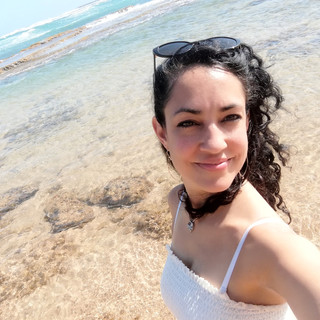
Just returning from two and a half weeks in the Dominican Republic, this DanceVacay was a bit different than expected. Here's my experience in the DR in comparison to how most of my DanceVacays go. I'll also give some more tips about traveling in the Dominican Republic.
About my DanceVacay in the Dominican Republic
Dance academies don't respond in the DR
Normally dancers and dance academies around the world will eagerly reply to inquires on their social media/email about classes. But in this case, out of 10 that I sent messages to in Santo Domingo, only 3 replied - I kept track! When you do arrive in the Dominican Republic and attend a class or social, most of the teachers treat dancers from abroad very warmly.
There are two Bachata classes in the capital
Capital cities usually have more of everything: more housing, more traffic, more arts scene, etc. Applying that to dance; capitals usually have the most dance studios, higher dance level and more socials. But in Santo Domingo, expat dancers and the local dance studios confirmed that group Bachata classes are so poorly attended by the locals that they stopped trying to offer them. Only one studio teaches Bachata on a regular basis! There's another dance studio that occasionally teaches a Bachata class before a social, but not on a regular basis.

Most Bachata classes are in a fun, touristy beach town
Las Terrenas has one dance studio that is used by most of the instructors for their group and private classes. The beach town is known for their Bachata scene, thanks to a very smart instructor who brings his taxi dancers to certain bars, who ensure the dance floor is active! You have to know your basics; taxi dancers normally don't invite people who don't already know how to dance.
Most dance instructors immediately try to push for private classes
There being so few regular, Bachata group classes, the instructors push for private classes. Privates are not cheap. Las Terrenas is a tourist town and instructors market to tourists to get a high hourly rate.
General tips for travel in the Dominican Republic

If you like nature, rent a 4x4
The beaches are pretty phenomenal in the Dominican Republic. There are so many rivers that turn into clear, sea green water through mangroves that empty out into the sea. You could spend your whole vacation in the DR exploring beaches, of course! In that case a sedan suffices and you don't need a 4x4. However, if you want to see cascades, rivers, caves, etc. then you'll need a 4x4. Many roads are unpaved, quite bumpy and hilly. Add rain to that and you're just destined to get stuck in the mud in a sedan. A 4x4 can kill it and get you almost anywhere.
Some locations are difficult to reach, even with a 4x4
Imagine my partner and I in a sedan somewhere the middle of the Dominican Republic. I'm looking at a point on GoogleMaps and I say to my partner, who is driving "The road stops, and from there we can walk to the river pool." Just at that moment, we face an insurmountably steep, narrow, dirt path and had to turn back. Later, we found a comment in the reviews that normally this cave is reached by boat tour. That made total sense. That path was impossible. If we'd had the 4x4 we might have been brave enough to attempt to reach the cave by land, but we never saw even one tourism van on the way, which should be a clue about how difficult it is to reach.
Don't believe GoogleMaps: complement your decisions with outside research The above story was true, and apparently we didn't learn because it happened a few more times. I'd clocked an amazing restaurant and when we were famished, we decided to go. But we suddenly realized that according to GoogleMaps that it didn't open until 2pm. Odd for a restaurant, isn't it? So we called and were able to book a table at 12:45pm, well before their stated opening hour. On another occasion we found a cave on GoogleMaps and we followed the path, only to be blocked by a barbed wire fence and a gated villa. And yet a third time we found images of a beautiful blue lake-pool, but the route took us to... flat farmland. Somehow people posted images of water, but the satellite clearly showed the pinpoint right in the middle of a brown field. The photos and location were in complete contradiction to the reality.
Don't take a tour
It's so hard to get a decently-priced tour anywhere in this world that isn't cookie-cutter and simply overridden with tourists and bad food. The DR is no exception. The one tour we took was for whale-watching with a local who got us a discounted price. But each tour was almost exactly the same: take a boat, find a whale, go to an island where the tour guide gets a commission from one of the few restaurants there. Guides herd you to their one restaurant, where the low-quality buffet is included in the price of your tour. Surcharge for drinks. Nothing to do on this tiny island except consume and sit on the beach. We had a good time because we went with friends. Cascade tours are also too touristy. We would drive in our rental car, pass the busses and tourists and instead found smaller cascades and hills with hardly no one around. You do have to pay the locals a small amount to allow you to park near their homes or establishments, but it's well worth it. If you don't want to drive, consider hiring a driver or captain of a small boat with some knowledge of the sites.
Go in low season
Tourists don't like low season in the tropics because it's either rainy season or it's too hot.
But travel during the low and "fringe" seasons are the best to avoid crowds. So simply stop thinking like a typical tourist. Work with the weather, like the locals do.
When it's hot in the tropics
Get up early to go do your outdoor activities while the temperature is still manageable
Plan some indoor activities (museum, shopping, lunch, etc.) and siesta during the hot afternoon
Go out at night again; some monuments are lighted up, creating an impressive, dramatic effect During rainy season in the tropics The rain is often predictable. It's true, you just haven't noticed. Of course, come prepared in case there is a surprise: small umbrella, extra socks, foldable rain jacket etc. But here's observation about the time of day it rains in some tropical cities:
Panama: rains heavily almost daily during rainy season, starting at 2-3pm, usually for a few hours
Dominican Republic: although it wasn't rainy season, it rained almost every day once in the morning, around 10, then again just before sunset, but usually in short bursts
Miami: it rains pretty predictably in rainy season between 4:30pm - 6:30pm
Was this helpful? Set up a chat with me before your next trip! You can avoid pitfalls and we can personalize your trip for fun dance, food, and cultural experiences.

Comments